


Current and announcement
PAIN GAME: BREAD BAKING — mariia lemperk
May 21, 2026, 2:00 PM – 6:00 PM, Performative action with Milena Novak and mariia lemperk
May 22, 2026, 6:00 PM – 8 PM, concert and performative action with Digital Data, Milena Novak and mariia lemperk
This pain game we bake and tie.
PAIN GAME: BREAD BAKING is a multi-week process of working with the body, bacteria, flour, and ropes, which Mariia Lemperk is collaborating with artist Milena Novak, sound artist Digital Data, and BWA Katowice staff. On May 21st and 22nd, we invite the public to participate in the process.
mariia Lemperk is an artist (they/them, she/her, he/him) from Odesa whose practice develops at the intersection of memory politics and the body. Recently, they have been focusing on (un)controlled spaces of pain, performative archives, questions of non-hierarchical structures, the deconstruction of gender, and the presence of queerness within today’s socio-political and cultural chaos.
Milena Nowak is an artist and researcher who combines visual computing and social design with a practice grounded in the body and materiality in the context of digitalization. In her current explorations, she focuses on issues of power, presence, and ritual, creating ephemeral sculptures and performative actions.
Digital Data is a sound and visual artist. His highly contrasting sonic language is at once raw chaos and a clear vision of the times to come. Often filled with frenetic grime and digital distortions, his sounds explore both technical contexts and personal emotions. They take us on a futuristic journey only to retreat into the realm of nostalgia. The artist finds in music and visual art a space for investigating emotions. His work resists aesthetic boundaries and manifests the complexity of contemporary experience.
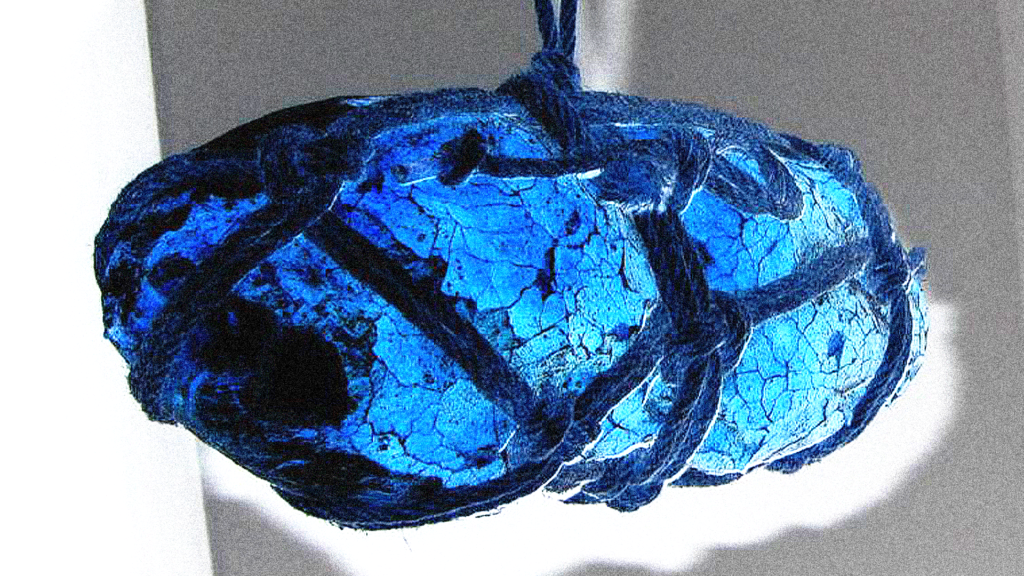
PAIN GAME is a series of performative actions dedicated to individual and socio-political perspectives on pain. Pain, approached neutrally as a symptom, illuminates spaces of (un)controlled tension and/or rupture. The manifestation of pain becomes particularly visible within unbalanced structures: power dynamics, institutions, relationships, (non-)hierarchical groups, and individual as well as collective bodies. This act of unveiling is inherently tied to risk. The discomfort of seeing, facing, confronting, and witnessing what we call pain may itself be worth the game. PAIN GAME suggests that pain is not treated here as something to be hidden or immediately neutralized, but rather as a tool to be tested through play.
The project emerges from the chronicity/inevitability of pain, mapped through personal experience. The inability to perceive pain is a fragile privilege.