

Current and announcement
CULTURE DICTIONARY 2.0: matter–fabric–institution
May 27, 2026, 5:30 PM
“Why have language and culture been granted agency and historicity, while matter is represented as passive and unchanging, or at best inherits the potential for change as a derivative of language and culture?” — asked Ann Sophie-Lehmann, researcher of the materiality of art (The Matter of Art: Materials, Practices, Cultural Logics, 2015).
At the next meeting in the CULTURE DICTIONARY 2.0 series, we will collectively explore the relationships between matter, fabric, and institution. Design and artistic practices rooted in materiality and fiber art will serve as tools for imagining an institution that is soft, fibrous, adaptable, and responsive to change. Fabric, as a unique intersection of matter and meaning, will become a starting point for asking how to speak about matter, what kind of language is needed in contact with materiality, and how to recognize and restore its agency. Guided by the conceptual weave of matter–fabric–institution, we will address questions of authorship, touch and corporeality, as well as alternative ways of building relationships with works of art.
CULTURE DICTIONARY 2.0
During the meetings, we inhabit our own roles: facilitators, coordinators, artists, grant recipients, directors, officials, researchers, curators, negotiators, activists, and many others whose formulas are only now crystallizing — in order to learn how to speak about ourselves and to map tensions.
The first edition, curated by Katarzyna Maniak and Łukasz Trzciński, was realized in 2016 and concluded with a printed publication produced in cooperation with the National Centre for Culture. The year 2026 marks ten years since the publication summarizing both the outcomes and the process of the project’s first edition within a discursive framework. To what extent and in what ways have the relationships between the perspectives of the first edition changed? How has the circulation of art shifted during this time? How has the language reflecting tensions within the field — and language itself — evolved? Together, we seek answers to these and other questions by inviting all interested individuals to BWA Katowice who are ready for conversation, collaborative thinking, and the expression of differences.
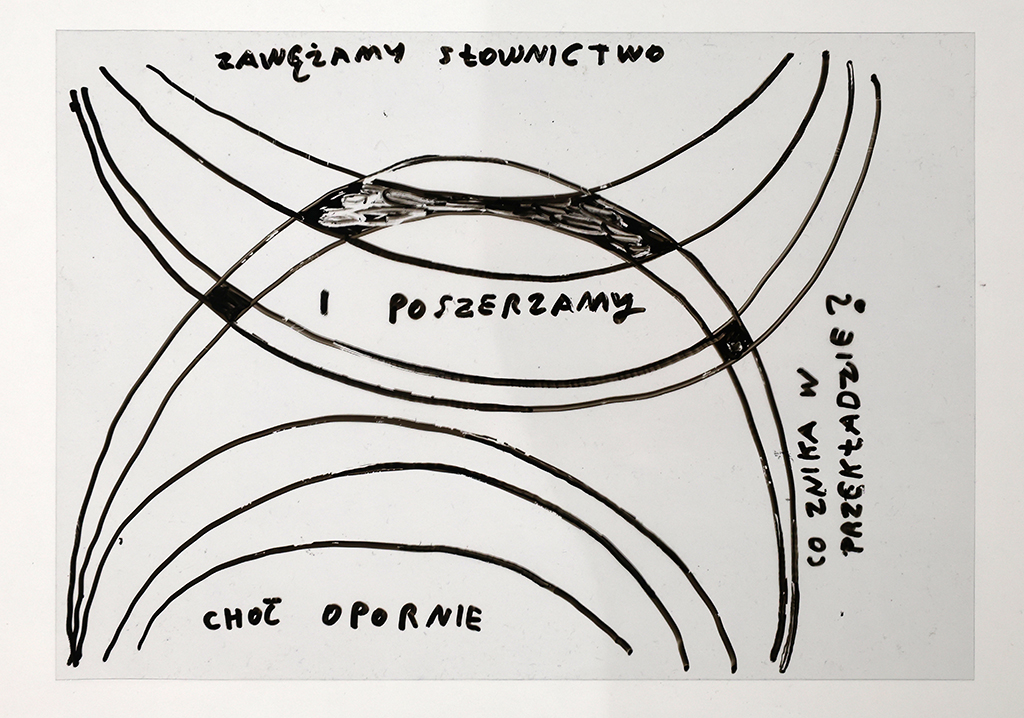
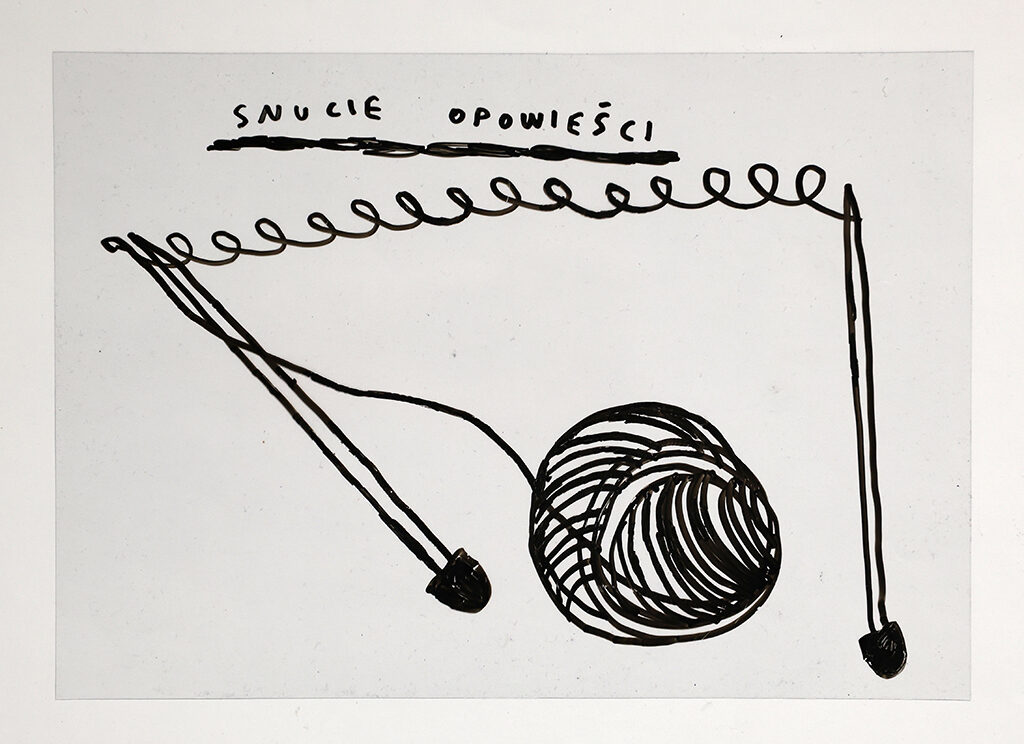
The year-long program is accompanied by the work of visual artist and illustrator Agnieszka Piksа.
At present, the working group consists of: Tomasz Dąbrowski, Marta Dvorak, Małgorzata Hordyniec, Barbara Lubowiecka, Elżbieta Kaproń, Olga Kasztelewicz, Piotr Knaś, Kinga Kołodziejska, Jessica Kufa, mariia Lemperk, Konrad Mitinyarare, Joanna Rzepka-Dziedzic, Claudia Spałek, and Łukasz Trzciński.
The meeting will be led by Magdalena Furmaniuk.
Join us!
Magdalena Furmaniuk-Kopel (she/her) — PhD candidate in the humanities in the field of art studies at the Doctoral School of the University of the National Education Commission in Kraków. Graduate of Art History at the Jagiellonian University and Contemporary Art at the University of the National Education Commission. She is currently preparing a doctoral dissertation devoted to a new materialist study of textile objects created in Poland after 2000.