

Current and announcement
WORKERS OF THE ARTWORLD UNITE! Rafał Jakubowicz
Celebrate Labour Day with us!
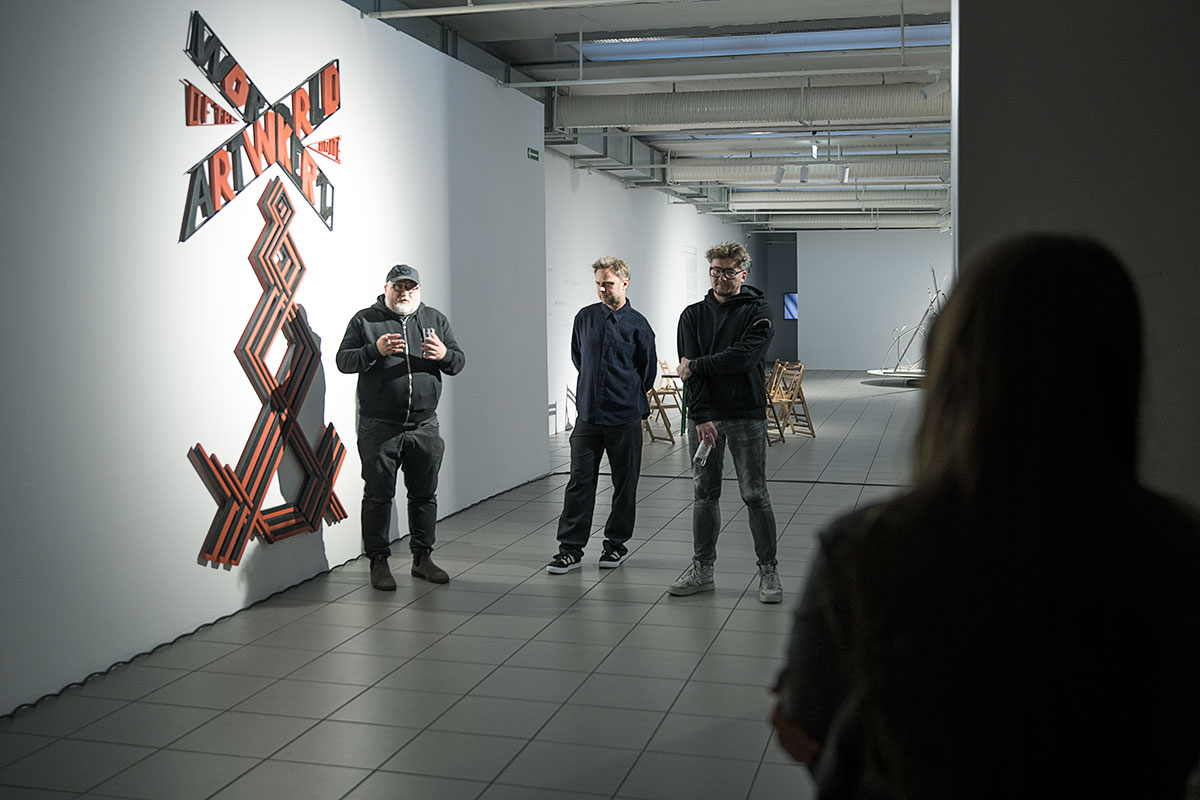
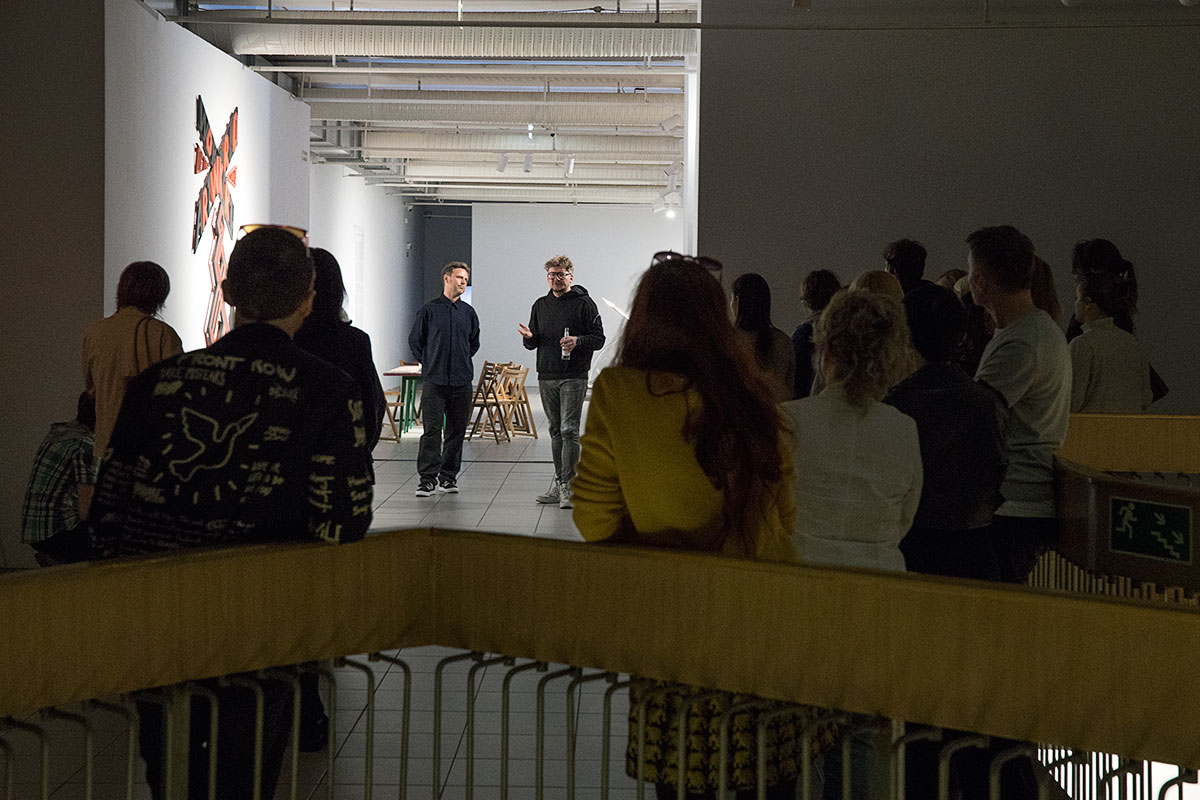
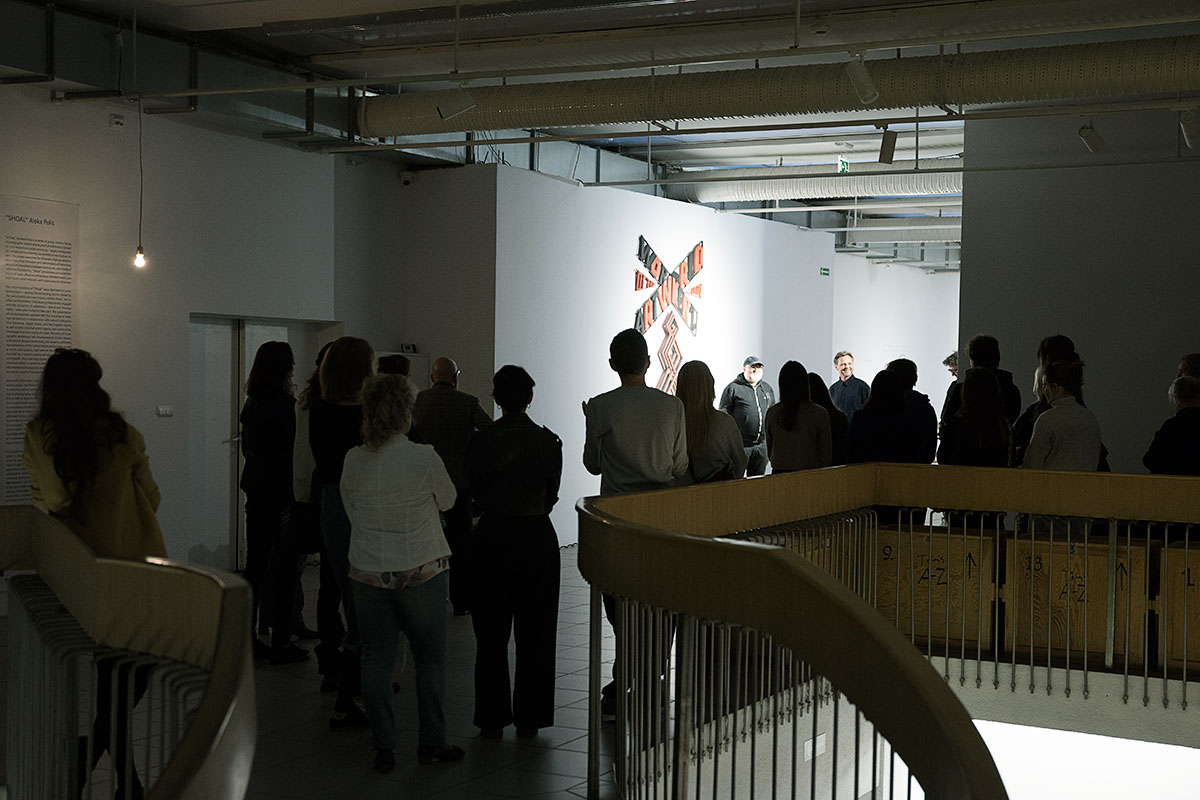
On April 28, we inaugurate an exhibition of a single artwork that will accompany us throughout the entire year, serving as a point of reflection dedicated to potential scenarios for the evolution of art institutions, while also signaling a new programmatic policy of BWA Katowice focused on mutual care and environmental solidarity.
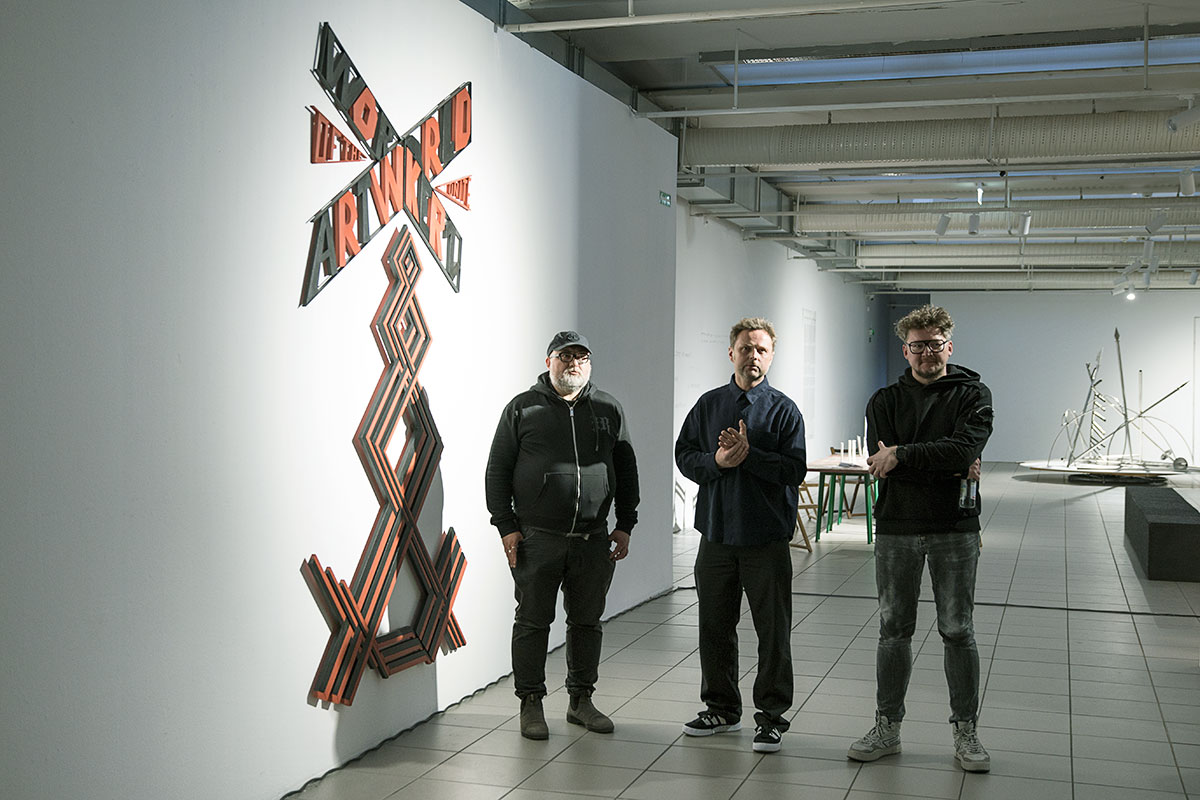
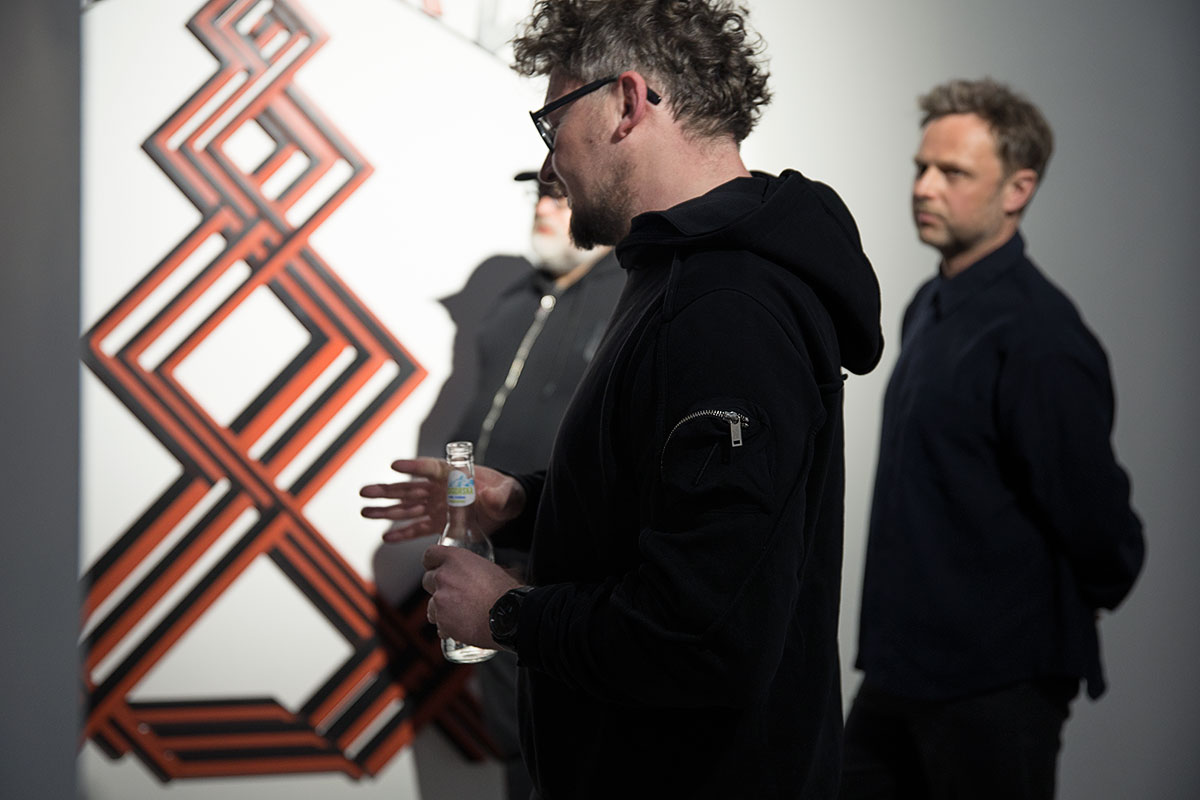
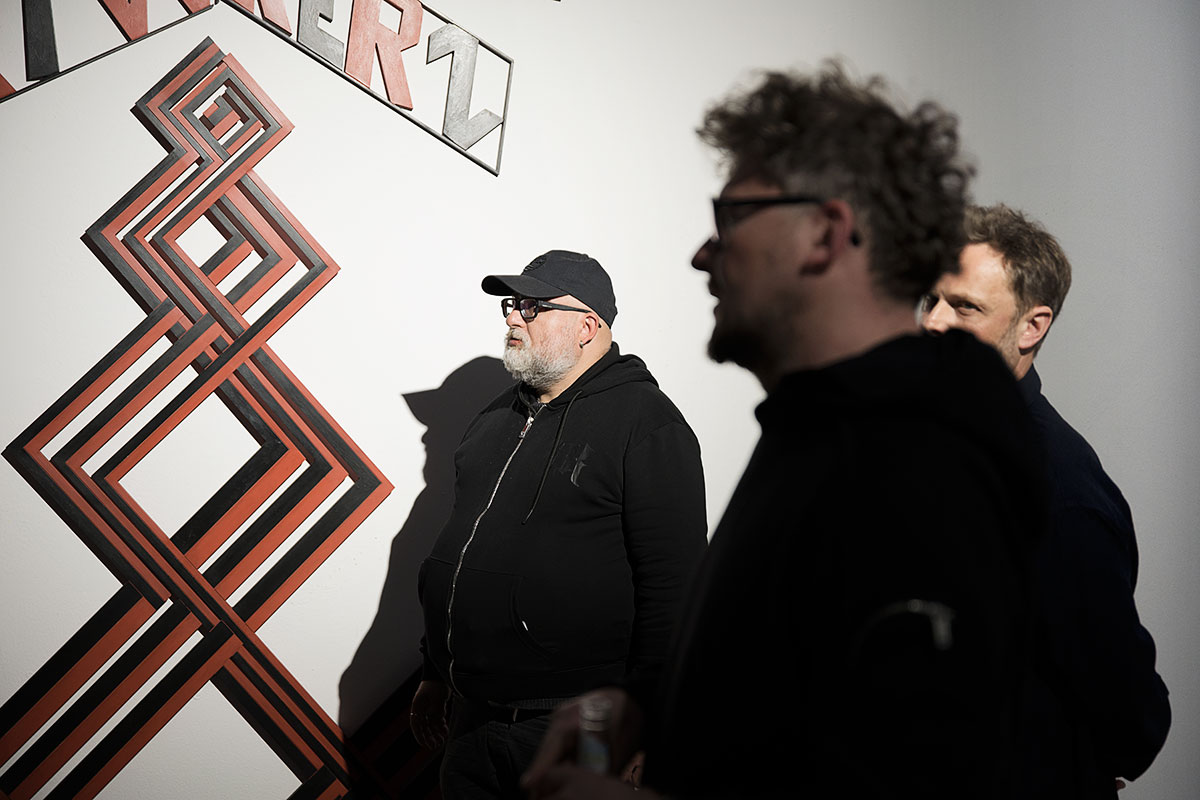
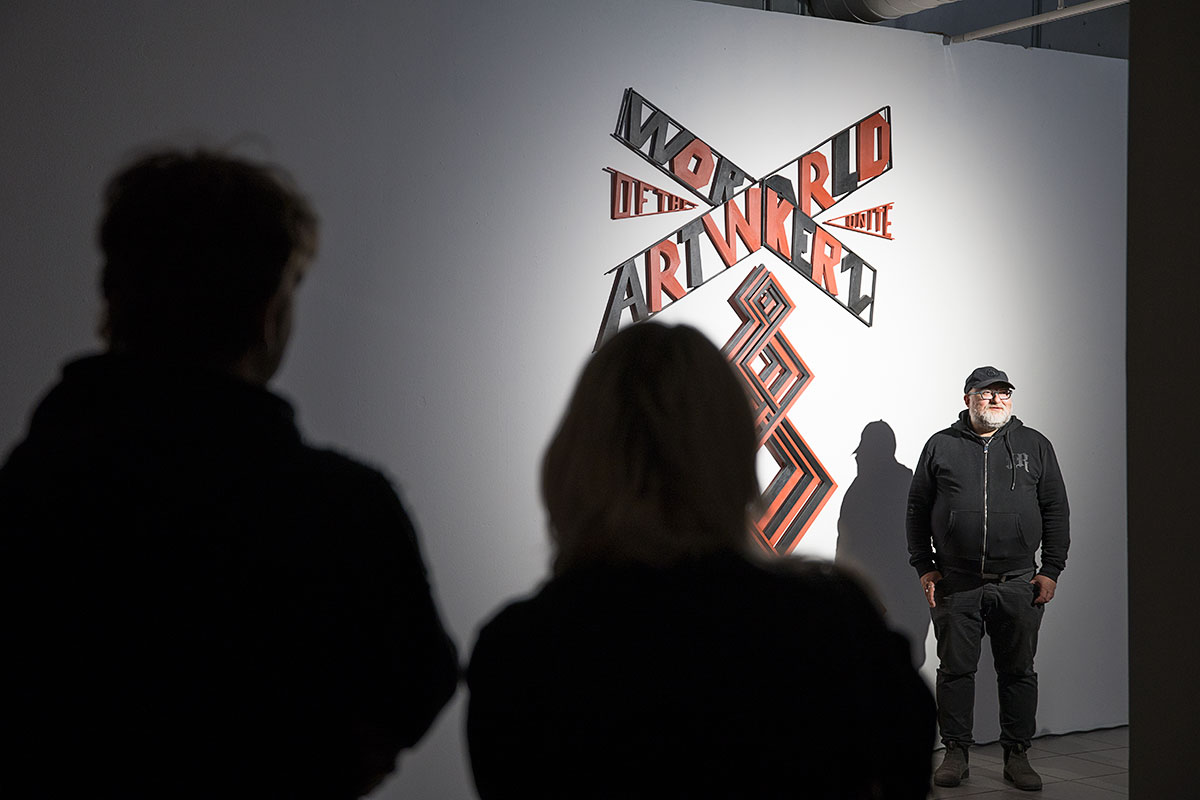
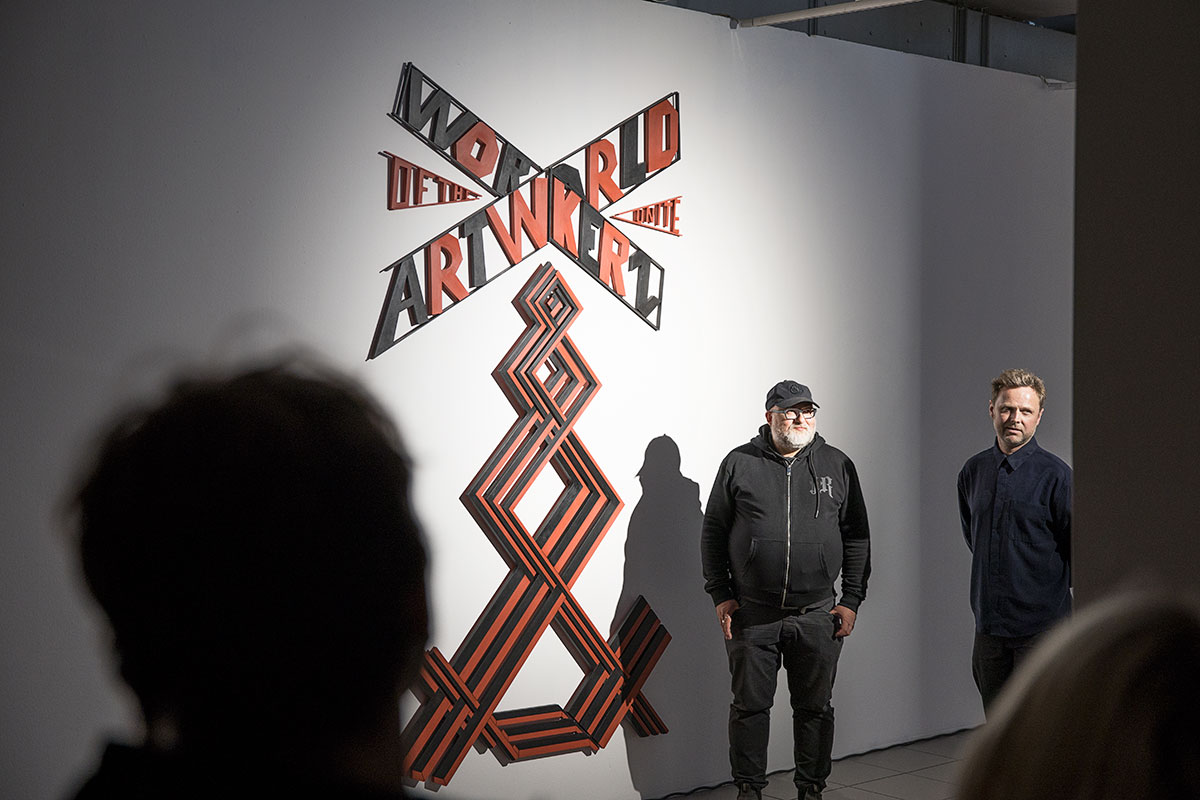
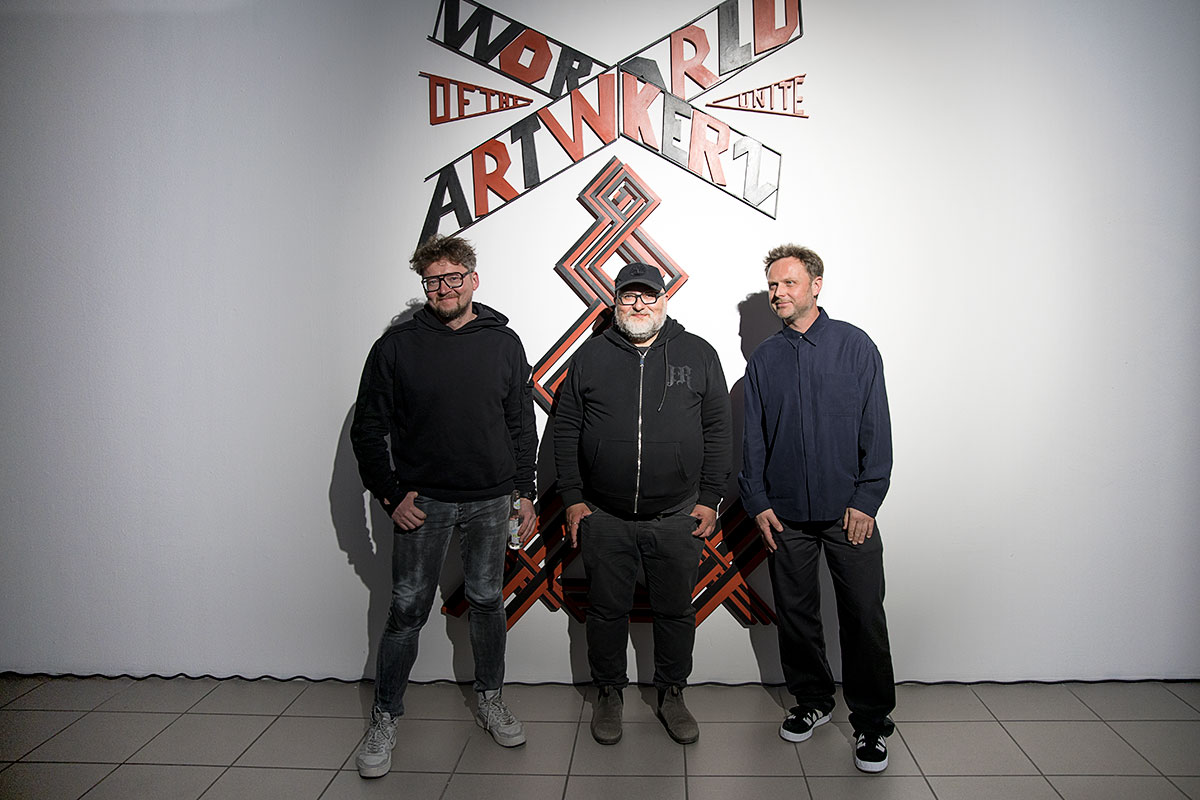
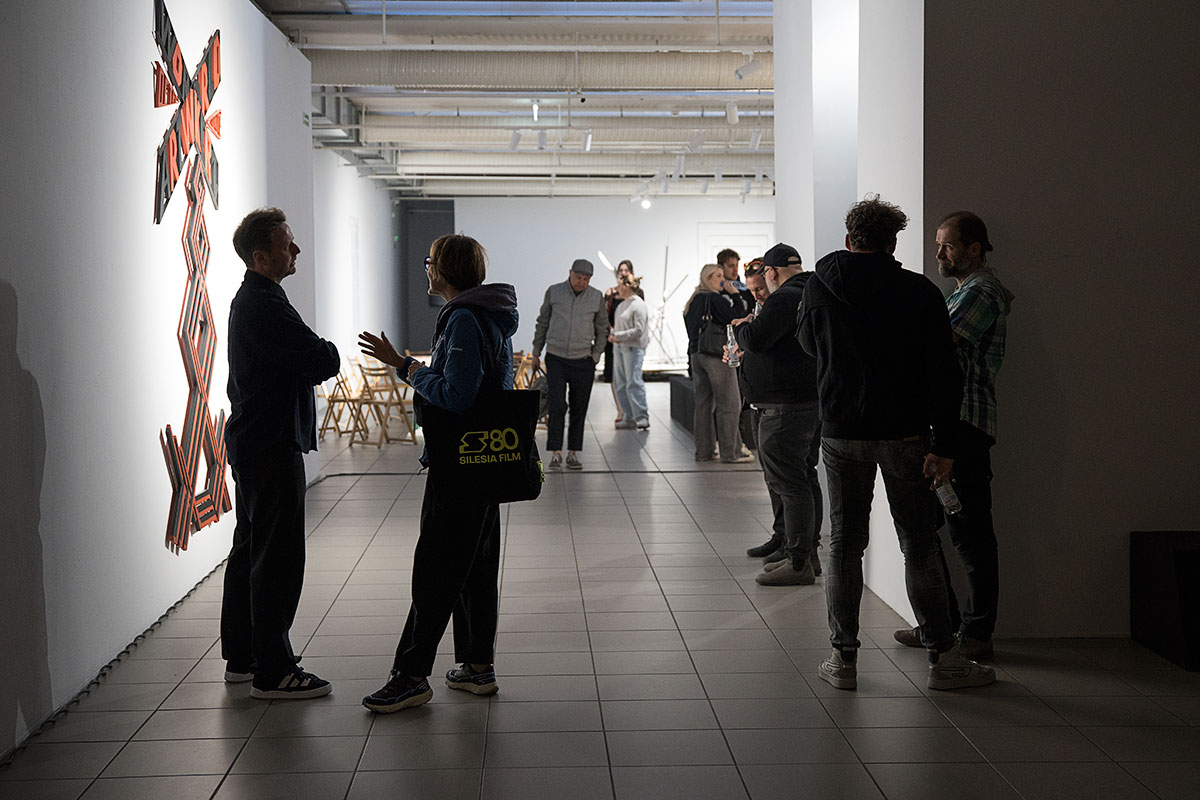
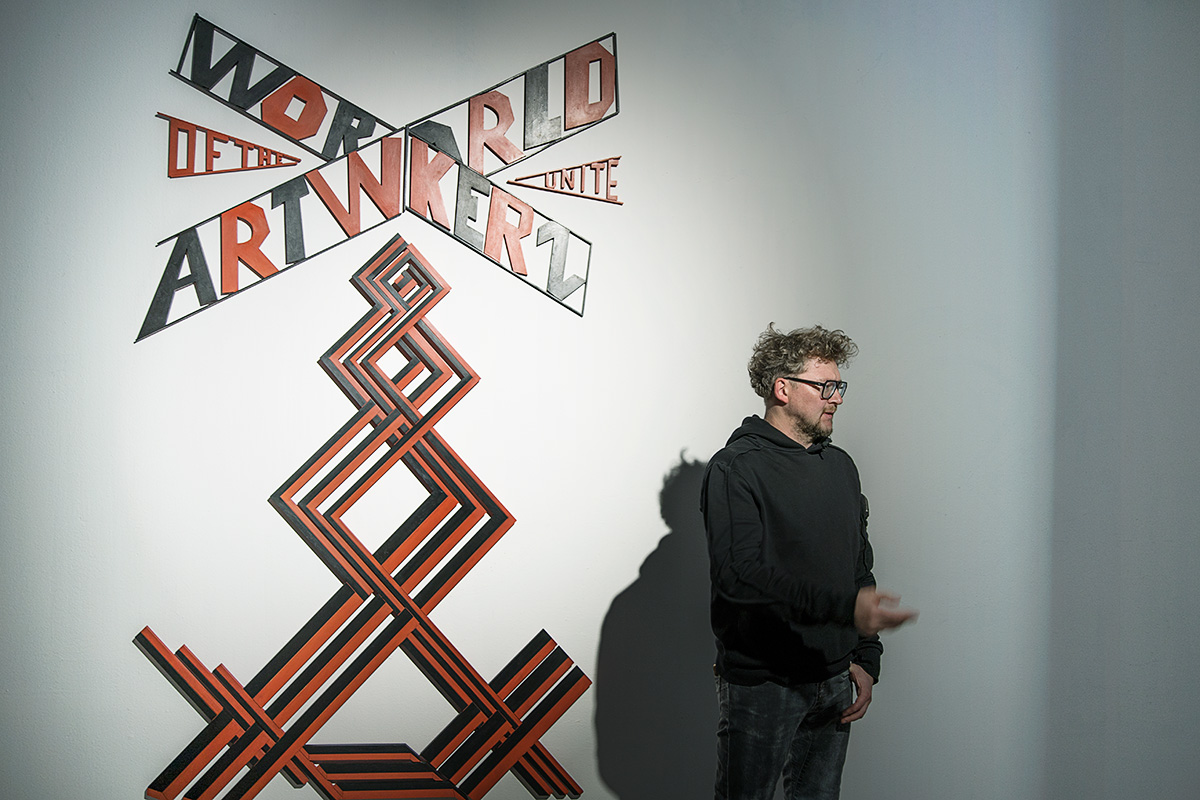
Rafał Jakubowicz’s work “Workers Of The Artworld Unite!” (“Manifest”, 2013), originating in Silesia as part of a campaign addressing the economic conditions of labor within the field of art, returns as an (intra-community) icon and becomes the first work in the new iteration of BWA Katowice’s contemporary art collection.
As a paraphrase of the 1922 project “Workers of the World Unite” by Latvian constructivist Gustav Klutsis, the work was first presented within a series of exhibitions curated by Stanisław Ruksza, including at the Kronika Centre for Contemporary Art in Bytom, Szara Gallery in Cieszyn, the Youth Promotion Centre at the Częstochowa Museum, and Jasny Dom in Kraków.
The direct inspiration for Jakubowicz’s work was the artists’ strike initiated by the Citizens’ Forum for Contemporary Art in 2012 (“Day Without Art”), which opened a broad discourse on the economic conditions of artistic production. This led, in practical terms, to the signing of the first agreements on minimum fees for artists in 2014, and initiated a long-term process aimed at establishing principles guaranteeing basic conditions of stability for a form of labor that is high-risk, demanding, and not profit-oriented—yet essential to the development of society.
Just over a decade ago, institutions often exploited artistic labor without hesitation, frequently without any remuneration. Today, after years of struggle, the minimum wage has become a reference point for artists’ fees, forming the basis of the New Agreement on Minimum Remuneration, whose gradual adoption by institutional actors—following the efforts of the Citizens’ Forum for Contemporary Art—began in 2025.
The exhibition “Workers Of The Artworld Unite!” also marks both a symbolic and actual reactivation—after nearly three decades—of the BWA Katowice contemporary art collection. Thanks to support from the Ministry of Culture and National Heritage program “Contemporary Art Collections 2026,” Jakubowicz’s “Manifest” will enter the institution’s collection as the first acquisition under the new program line, serving as a navigational marker for its future development.
The new phase will be guided by a programmatic focus on both art created in and in relation to the Upper Silesia and Zagłębie Dąbrowskie region, and the broader critical and socially engaged dimensions of art. The expansion of the collection will be based on socially attentive, exploratory, and discursive works that broaden the field of attention and provoke social and environmental awareness. Rather than focusing on the individual artwork or creator, BWA Katowice shifts attention toward relationships within the artistic community, the field of art, and the conditions shaped by creative individuals—emphasizing art as the glue of social relations.
Łukasz Trzciński—Organizational and Program Director of BWA Katowice
Opening: 6:00 PM, Tuesday, 28 April 2026
Exhibition: 29 April – 31 December 2026
The exhibition is part of the program “AESTHETIC CONGRESS”—a long-term series of exhibition and performative events aimed at rethinking the formula of the art institution, realized through the engagement of diverse, complementary artistic languages and tools, as well as artists and curators.
The primary point of reference and departure is BWA Katowice itself—an institution embedded in the urban and social fabric of the city as a tool of social engineering. The modernist pavilion, now a listed architectural monument, is contemporaneous with the emergence of institutional critique in Poland. The need for its spatial and conceptual updating becomes the starting point for a broader discourse on the meanings and dynamics of the art institution in a universal sense. For the duration of the project, the main exhibition space will transform into a year-long art laboratory, where historical works will enter into dialogue with entirely new ones, forming a collective reflection.
Curator of the “AESTHETIC CONGRESS”— Łukasz Trzciński